SSL Certificate Cross-Signing Explained for Administrators
Administrators usually first run into SSL certificate cross-signing during an outage, when a chain that worked for …
Before you can monitor SSL certificates well, it helps to understand how they work. This section explains the building blocks of HTTPS in plain language: the difference between SSL and TLS, certificate types and validation levels, intermediate certificates and chains, OCSP and revocation, HSTS, SNI and Certificate Transparency. You will also find articles on where the technology is heading, from 47-day certificate lifetimes to post-quantum cryptography.

Administrators usually first run into SSL certificate cross-signing during an outage, when a chain that worked for …

Moving TLS private keys into a hardware security module (HSM) is one of the strongest ways to …

The ACME protocol is the reason most sysadmins no longer set calendar reminders for certificate renewal. If …

Certificate lifetimes on the public web are about to get a lot shorter, and if a team …

Every SSL certificate installed on a production web server is actually part of a chain, and the …

Certificate revocation is the part of PKI that almost nobody tests until it breaks in production.

Server Name Indication decides which SSL certificate a server hands back the instant a connection request lands, …

Website owners planning a certificate renewal or a fresh TLS setup increasingly run into a choice they …

The impact of quantum computing on SSL certificate security is one of the most significant long-term challenges …
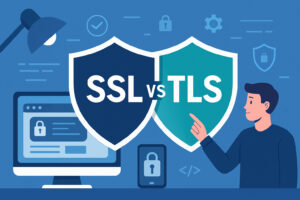
SSL vs TLS is one of those topics that gets glossed over constantly, yet the distinction matters …

When choosing an SSL certificate for your website, understanding the difference between DV, OV, and EV SSL …
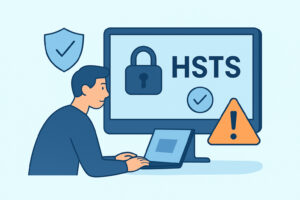
HSTS (HTTP Strict Transport Security) is a critical web security mechanism that forces browsers to use HTTPS …

Certificate Transparency provides a public audit trail of SSL certificate issuance, but many system administrators struggle to …

Understanding SSL certificate types and validation levels is crucial for any web administrator tasked with securing websites …

OCSP stapling is a critical SSL optimization technique that significantly reduces website loading times by eliminating redundant …

If you manage servers or build applications that handle sensitive data, you’ve probably worried about man-in-the-middle attacks …

If you manage websites — whether your own or for clients — you’ve probably set up some …

If you run a website, you’ve probably dealt with SSL certificates.
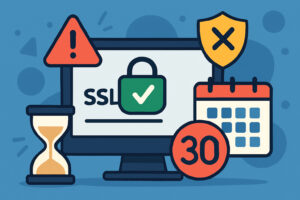
If you’ve ever seen that dreaded “Your connection is not private” warning on a website, you’ve witnessed …