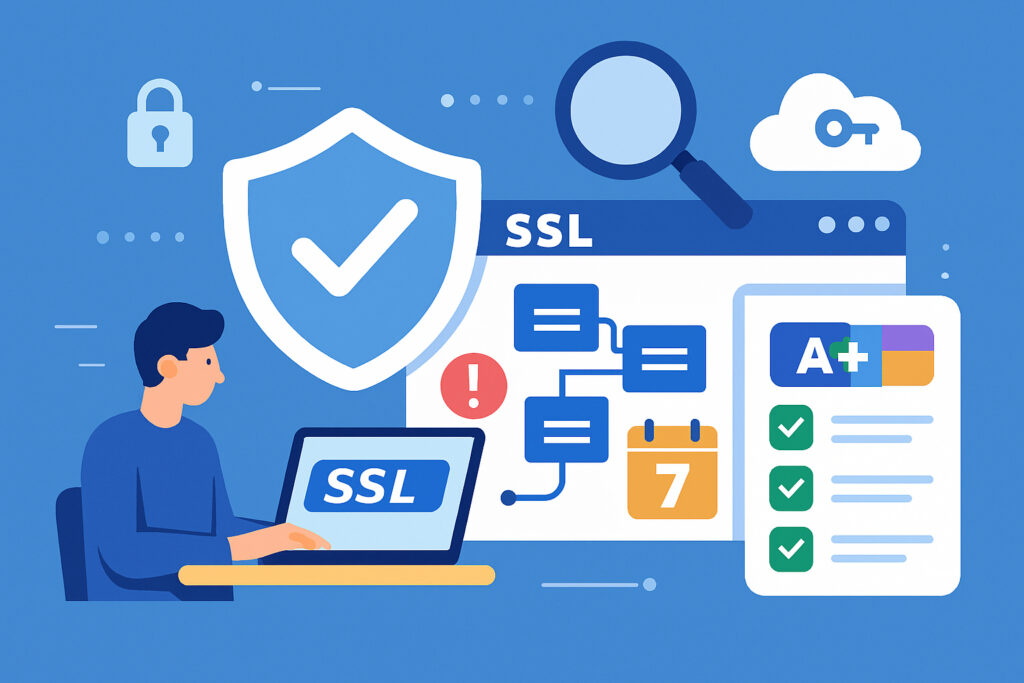
Let me be honest with you – I learned about SSL certificate expiration the hard way. Back in 2019, one of my client sites went down on a Friday evening because the SSL certificate expired, and I didn’t catch it in time. The panicked phone calls, the scramble to renew, the temporary loss of trust from visitors seeing that dreaded ”not secure” warning – it was a mess I never wanted to repeat. That experience taught me that manual SSL management simply doesn’t cut it anymore, especially when you’re managing multiple sites.
In 2026, SSL certificates aren’t just nice to have – they’re absolutely essential. Search engines penalize sites without them, browsers prominently warn visitors away from unsecured sites, and customers won’t trust you with their data if you can’t show that basic security indicator. But here’s the thing: having an SSL certificate is only half the battle. Monitoring it properly is what keeps your site secure and accessible.
Why SSL Certificate Monitoring Matters More Than Ever
The web security landscape has changed dramatically. Certificate lifespans have shortened significantly – most certificates now max out at 398 days, and there’s talk of reducing this to 90 days in the near future. This means more frequent renewals and more opportunities for things to go wrong. A single expired certificate can tank your search rankings, destroy customer trust, and cost you real money in lost sales.
But expiration isn’t the only concern. Misconfigured certificate chains, weak encryption protocols, missing security headers, and compromised certificates all pose serious risks. Manual checks simply can’t keep up with all these potential issues across multiple domains.
Essential Items for Your SSL Monitoring Checklist
Certificate Expiration Tracking
This is your first line of defense. You need automated alerts at multiple intervals – I recommend notifications at 30, 14, 7, and 1 days before expiration. Don’t rely on just one reminder because emails get missed, especially during busy periods. Your monitoring should cover not just the primary certificate but also intermediate certificates in the chain. I’ve seen situations where the main certificate was fine, but an intermediate certificate expired, breaking the entire trust chain.
Certificate Chain Validation
A properly configured certificate chain is crucial for browser trust. Your monitoring should verify that the complete chain from your certificate to the root CA is intact and properly ordered. Misconfigured chains are surprisingly common, especially after certificate renewals or server migrations. These issues often don’t become apparent until customers start reporting problems.
Protocol and Cipher Strength Analysis
Your certificate might be valid, but if your server supports outdated protocols like TLS 1.0 or weak cipher suites, you’re still vulnerable. Modern SSL monitoring should check which protocols and ciphers your server supports and alert you to any that fall below current security standards. This becomes especially important as security standards evolve – what was acceptable last year might be considered risky today.
Security Header Verification
HSTS (HTTP Strict Transport Security) is non-negotiable in 2026. It forces browsers to always use HTTPS connections to your site, preventing downgrade attacks. Your monitoring should verify that HSTS is enabled and properly configured. Certificate Transparency logging is another must-check item – it helps detect fraudulently issued certificates for your domain.
OCSP Stapling Status
OCSP (Online Certificate Status Protocol) stapling improves both security and performance by allowing your server to check certificate revocation status. Monitoring this ensures your visitors aren’t experiencing unnecessary delays or security warnings due to OCSP issues.
Setting Up Effective Monitoring
Start by inventorying all your domains and subdomains. It’s easy to forget about that staging subdomain or that old marketing landing page until it’s too late. Create a comprehensive list and ensure every single one is monitored.
Configure your alerts to go to multiple channels. Email is great, but add SMS or messaging app notifications for critical alerts. When a certificate is about to expire in 24 hours, you want to know immediately, regardless of whether you’re checking email.
Test your monitoring regularly. Set up a test domain with a short-lived certificate and verify that you receive alerts as expected. I do this quarterly to ensure the system is actually working.
Common SSL Monitoring Mistakes to Avoid
The biggest mistake I see is monitoring only production domains while ignoring staging or development environments. Yes, these matter less, but expired certificates there can still cause deployment delays and confusion.
Another common error is assuming that automatic renewal means you don’t need monitoring. Auto-renewal can fail due to DNS issues, server configuration problems, or rate limiting. Always verify that renewals actually succeeded.
Don’t ignore certificate warnings just because your main domain works. Mixed content warnings, certificate name mismatches, and other issues might not break your site entirely, but they create security vulnerabilities and erode trust.
Monthly SSL Security Scoring
Beyond just monitoring for problems, implement regular security scoring. A monthly report that grades your SSL configuration from A+ to F gives you a clear picture of your security posture over time. This helps identify gradual degradation in security standards and makes it easier to justify infrastructure improvements to stakeholders.
Planning for the Future
As certificate lifespans continue to shorten and security requirements tighten, automated monitoring becomes even more critical. Build your monitoring system to be comprehensive now, and you’ll be ready for whatever changes come next. The small investment in proper monitoring is nothing compared to the cost of a security incident or prolonged downtime.
Your SSL certificates are fundamental to your web presence. Don’t let them become your weakest link through simple neglect. Set up comprehensive monitoring, follow this checklist, and sleep better knowing your certificates are being watched 24/7.